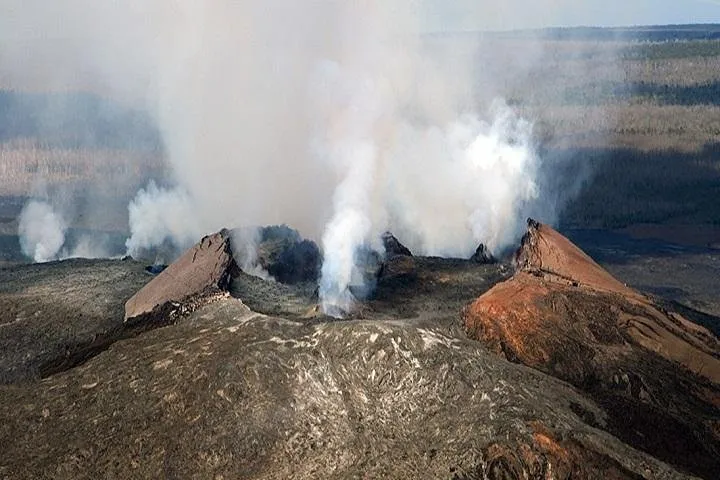
Will You Actually See Lava
The single most misunderstood fact about a Hawaii volcano tour from Oahu, and the reason no listing can honestly sell a fountain.
The alert level and the pattern
Kilauea is at alert level WATCH with an ORANGE aviation colour. It has been erupting episodically from vents in Halemaumau crater since 23 December 2024 and has produced 54 fountaining episodes so far. The shape of each episode is the part that matters for a day tripper: a fountain generally lasts less than 12 hours, and episodes are separated by pauses of two or more weeks. Between episodes the summit still releases 1,000 to 5,000 tonnes of sulphur dioxide a day, so the crater glows and steams whether or not a fountain is running.
On the day the figures here were checked, there was no active lava on the ground at all. The north, south and west vents glowed but had stagnated.
Episode 54 and what it looked like
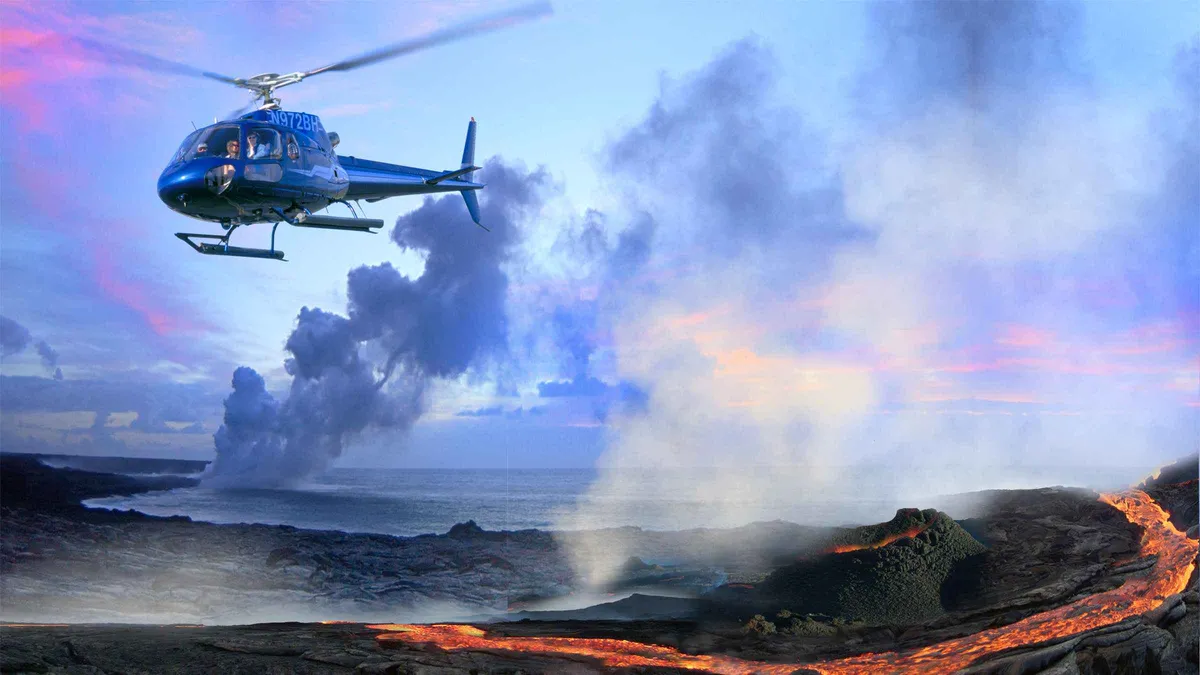
Episode 54 ran about 9 hours on 25 August 2026. The north vent fountain reached roughly 500 feet (150 m) and the plume rose to about 17,000 feet (5,200 m). That is the spectacle the photographs advertise.
But a Big Island day trip from Oahu is inside Hawaii Volcanoes National Park for two to four hours out of a 12 to 16 hour day. To catch a fountain from Oahu in that window you would need the episode to start within hours of your arrival, and episodes come roughly two or more weeks apart. Across 54 episodes the odds of any single two-hour window catching one are close to zero.
The arithmetic, done once
It is worth doing the sum rather than arguing about it. The table below takes the observatory's own figures for the eruption and sets them against the window a day trip actually has inside the park.
| What | Figure | What it means |
|---|
| Fountaining episodes since 23 December 2024 | 54 | Roughly one every 12 days |
| Length of an episode | Under 12 hours | Episode 54 ran 9 hours |
| Gap between episodes | Two or more weeks | No forecast window is published |
| Share of the clock with a fountain running | Around 4 percent at most | 648 hours out of about 15,192 |
| Your window inside the park | 2 to 3 hours 50 minutes | Set by the listing, not by the volcano |
What that means for your day
Multiply a 4 percent chance by a window that narrow and the honest expectation is that you will see a caldera, steam vents and cooled lava, which is what the park is open to show you. If a fountain does start while you are there, it is luck, and no operator priced it into your ticket.
What the park closes
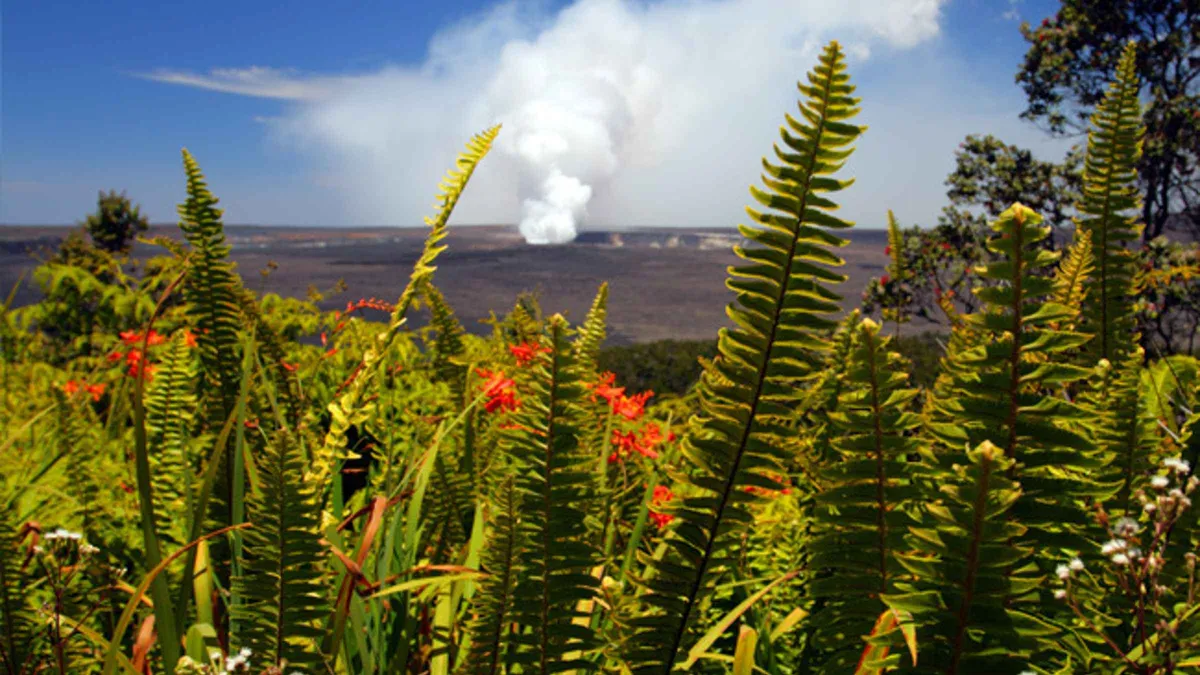
The eruption itself is inside a closed area. The Halemaumau crater rim has been closed to the public since late 2007. What you see from the open overlooks is the caldera, the steam vents and, in an episode, the glow from a distance.
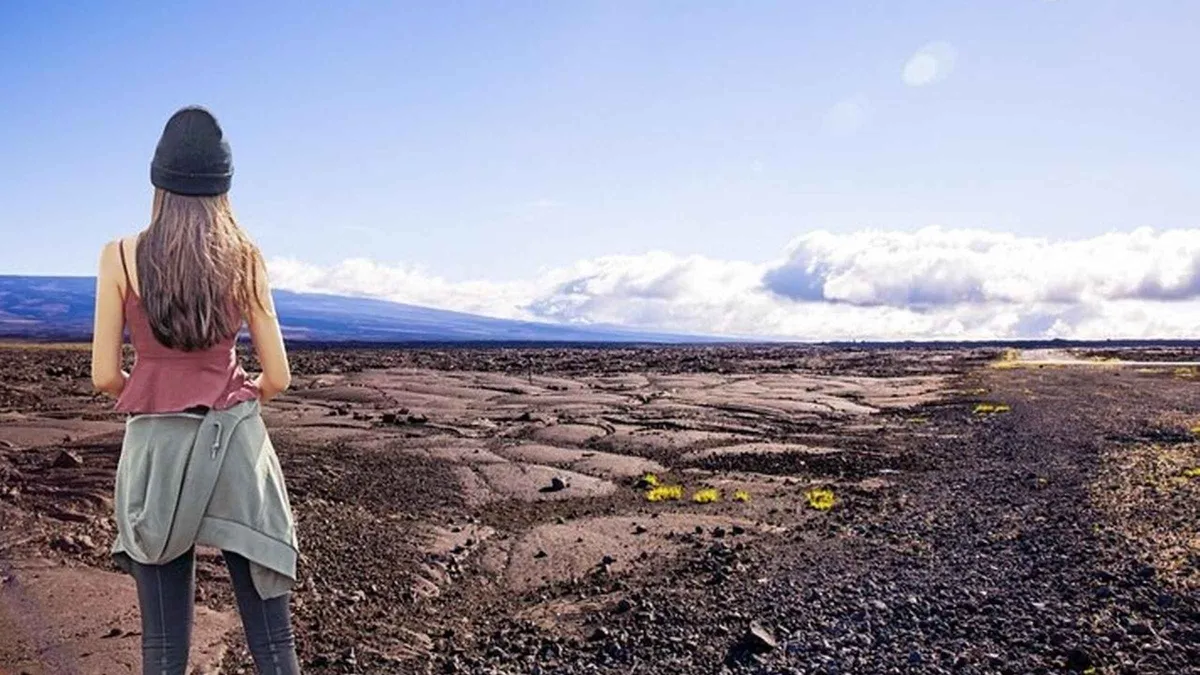
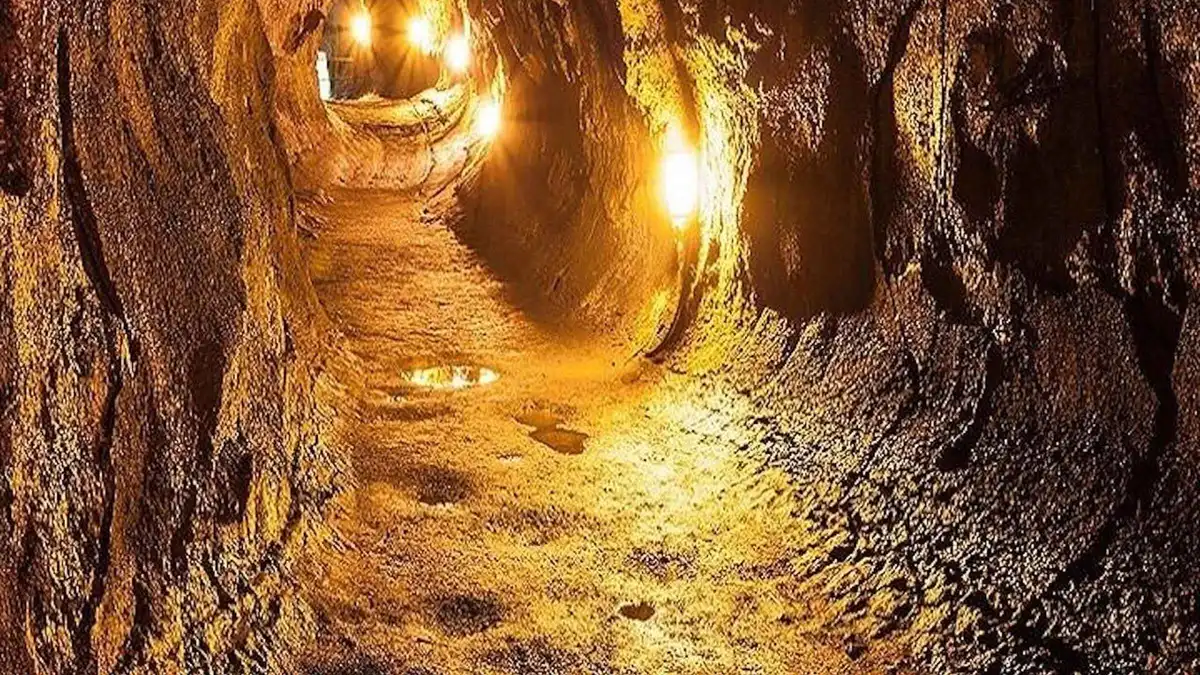
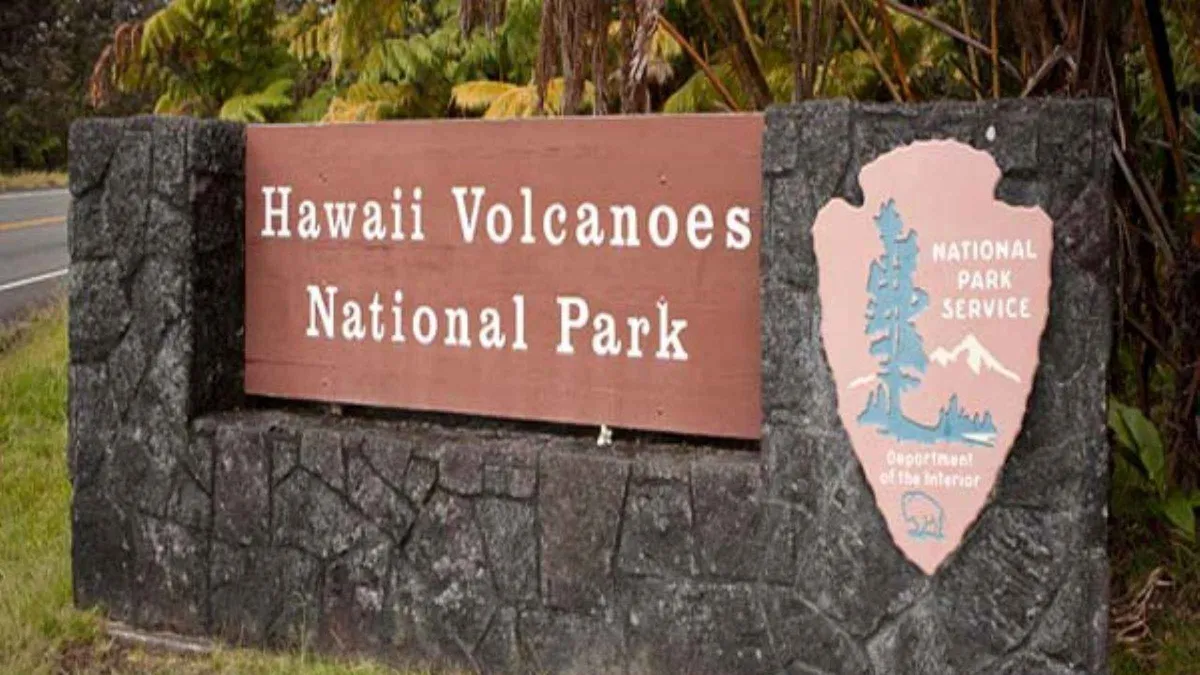
A tour that shows you the caldera, the visitor center, the lava tube and Chain of Craters Road is showing you everything the park allows.
How to check before you fly
The observatory publishes a daily update naming the alert level, whether lava is on the ground and what the summit tilt is doing, and the park posts its own alert board. Both are free and both are more current than any tour listing. If the update says the vents have stagnated, a day trip is still worth taking for the caldera and the lava tube, but book it for the landscape rather than for a fountain.
If an episode is running, the summit livestream cameras will show it before you board, and the park's overlooks are where any public view happens from. What no source will give you is a forecast: the observatory itself states that forecast windows can no longer be modelled because inflation and deflation have turned irregular.
Sources: USGS Hawaiian Volcano Observatory daily updates and Hawaii Volcanoes National Park.
 Oahu Volcano Tours